NAPA asked its own longstanding members, with each insurance professional having more than a decade of expertise across the insurance industry, about their operations, client relationships, business development, AI in the workplace and the future of the profession. Each contributor offered a unique perspective, but several common themes emerged, creating valuable insight into what it takes to build a resilient and successful insurance business today.
Meet the Article Contributors
|
Beverly Scheider • President, The Palmer Financial Group, Inc. & Founder, Operational Freedom™ • Insurance operations, agency distribution & AI strategy • 45+ years |
|
Paula Rodriquez • Owner, Vanmar Insurance • Medicare, individual & family health and small group benefits • WA & OR • 20+ years |
|
Alex Kheder • Founder, Medicare1st • Medicare planning, retirement services & healthcare strategy • 12+ years |
|
Karen Thulin • Health insurance professional • Health, Medicare & supplemental benefits • 26+ years |
|
Michael Waiters • Independent insurance & financial broker • Life, health, Medicare & retirement planning • 30+ years |
|
David Max Willey • Insurance professional • Life insurance, family protection & retirement-focused perspectives • MA & NH |
|
John • Texas licensed insurance agent • Life insurance & retirement products • 24+ years |
Wisdom from Over 100 Years of Combined Insurance Experience
The insurance industry rarely stands still.
Throughout every market cycle, insurance professionals are challenged to adapt without losing sight of what matters most. As technology and client expectations evolve, regulations change, and carrier appetites shift, new products emerge while others mature.
In this evolving landscape, NAPA wanted to cut through the noise and gather practical insights from experienced members actively serving clients every day. We invited professionals from different backgrounds and specialties to answer compelling questions about operations, client relationships, technology, business development and the future of insurance.
Despite serving different markets, specialties and client types, contributors repeatedly arrived at a similar conclusion: the strongest businesses weren't defined by the newest technology, the largest book of business or even the products they represented. Instead, they pointed to disciplined operations, thoughtful communication, strong documentation, meaningful client relationships and a resilient mindset as characteristics that separate today's highest performers.
This article explores those recurring themes and the practical lessons they offer across specialties, carriers and business models.
Welcome to the NAPA Expert Perspectives series.
Client Expectations Demand Operational Excellence
For years, conversations about competitive advantage in insurance often centered around products, pricing, carrier relationships or production volume. But today, the value of good processes is not just about efficiency; it is about enabling professionals to consistently meet clients' evolving expectations better than the competition.
Today's clients expect more than a quality insurance product and a check-in during renewal periods or when issues arise. They also expect timely responses, proactive outreach and confidence that their advisor will be available through their preferred channels.
Consequently, our contributors pointed to disciplined, well-designed systems as the only realistic way to consistently meet those expectations. They described streamlined workflows as more than an efficiency metric; they are also the necessary foundation for meeting client needs while delivering exceptional, memorable experiences.
Organizations with strong, disciplined processes are better equipped to navigate growth, staff transitions, regulatory changes and evolving service expectations because their success is not contingent on an individual's memory or single points of failure. That resilience makes business continuity possible even during unstable periods.
Many organizations spend significant resources evaluating new technology but little time improving the processes those tools are meant to support. Technology amplifies a good system, but it rarely fixes a weak one.
Beverly Scheider of The Palmer Financial Group and Alex Kheder of Medicare1st articulated this philosophy very clearly:
“The biggest shift isn't AI. It's the fact that client expectations have changed faster than most firms have changed their operations. The firms that win over the next five years won't necessarily have the best technology. They'll have the best systems for combining human expertise with technology to create a better client experience."
– Beverly Scheider, President, The Palmer Financial Group, Inc. | Founder, Operational Freedom™
“You can no longer put annual enrollment on autopilot. Because Medicare Advantage plans are becoming more volatile and restrictive, advisors must actively manage client expectations, watch for disappearing benefits and continually re-evaluate what's in their clients' best long-term interests."
— Alex Kheder, Founder, Medicare1st
Operational discipline supports consistent client experiences while building organizations that can grow, adapt and withstand change. Across these conversations, strong operations repeatedly emerged as the foundation supporting communication, documentation, technology and long-term resilience.
Winning Operational Strategies
These experienced professionals consistently associated excellence with:
- Repeatable workflows
- Clearly defined responsibilities
- Proactive client communication
- Standardized operating procedures
- Continuous process improvement
Relationships Remain an Agent’s Greatest Competitive Advantage
Insurance is still fundamentally a relationship business, which is why clients can remain loyal even as products, prices and technology become increasingly similar.
Similarly, today's clients also compare an insurance professional’s service against the best interactions they have across industries, whether that is a bank, retailer, healthcare provider or another organization. Responsiveness is no longer a differentiator, but instead an assumed business expectation.
When asked about the practices that created lasting success, the interviewees echoed trust, communication and the relationships they had built over decades of serving clients.
While expectations have never been higher, our respondents also saw them as opportunities to make genuine relationships even more valuable. As information and product comparisons become effortless, professionalism combined with empathy and trust continues to distinguish exceptional advisors.
“Insurance is still a people business. AI isn't replacing relationships; it's removing friction so professionals can spend more time building them."
– Beverly Scheider, President, The Palmer Financial Group, Inc. | Founder, Operational Freedom™
Across the interviews, agile communication was seen as an ongoing investment in the relationship itself that reinforces trust long before a policy renewal or claim occurs.
Several professionals also emphasized that clients remember whether they felt informed, understood and supported throughout the relationship, and that trust is built through consistency. Their answers reinforced the idea that a relationship-focused communication model strengthens trust and improves retention while serving clients more effectively over time.
“In this highly technological age, we have to learn how to temper technology with verification of understanding, without being overwhelming or appearing pushy and desperate. You can lose a client if they don't know you care because it's so easy for them to shop around or utilize online technology."
– Paula Rodriquez, Owner, Independent Medicare & Health Insurance Brokerage
“I find traditional mailing to be very effective. I also send a Thanksgiving card every year to all my clients, including my business card, in case they need to call or email me."
— Karen Thulin, Independent Health Insurance Broker
These industry veterans also noted that clients will remember how you made them feel long after they've forgotten the details of a policy, and that those relationships can be strengthened to endure for many years through surprisingly simple, personal gestures that technology cannot easily replace.
While the insurance industry expands along with more complicated products and technology, clients seem to remain loyal to professionals who make them feel informed, understood and genuinely supported. When applying a relationship-first approach and utilizing personal touches, trust is built through consistent, intentional interactions over time. The tools and channels may change, but the human relationships behind exceptional client service remain one of the profession's most durable competitive advantages.
Relationship-Winning Loyalty Drivers
Successful professionals consistently emphasized:
- Active listening
- Personalized communication
- Client education
- Genuine empathy
- Long-term relationship building
Documentation Preserves Trust and Continuity
While documentation is often referenced as protection against E&O claims, compliance issues and regulatory scrutiny, experienced professionals view it as an extension of professional communication.
Every documented recommendation, coverage discussion, follow-up email and client conversation creates continuity throughout the client relationship, provides valuable context for future interactions and establishes clear expectations that can prevent misunderstandings before they become disputes.
“A well-run operation is one that doesn't fall apart when a key employee leaves."
– Beverly Scheider, President, The Palmer Financial Group, Inc. | Founder, Operational Freedom™
Beverly explains that organizations are vulnerable when critical knowledge exists only in the minds of experienced employees. The best operations have documented workflows, clear responsibilities, strong communication standards and consistent documentation. These organizations operate reliably through staffing changes, easily train new employees and maintain consistency across teams to deliver excellent service at all growth stages.
Paula Rodriquez emphasized that effective documentation begins long before notes are entered into a CRM. It starts by listening carefully, understanding the client's goals and consistently documenting those conversations throughout the relationship.
“Documentation is your stay out of jail card. Clients will not always remember everything you advised, but they will always remember what they wanted, expected or thought you promised."
— Michael Waiters, SBA-certified Veteran-Owned business owner
Viewed through this lens, documentation is not just a compliance exercise. It becomes the backbone of good business that preserves institutional knowledge and ultimately serves as one of the strongest foundations supporting trust over time.
Our respondents all seemed to agree; when documentation becomes part of how an agency serves clients (and not simply how it protects itself), it strengthens trust at every stage of the relationship.
Effective Documentation Ingredients
Common documentation themes included:
- Standardized workflows
- Consistent client communication
- Written confirmation of recommendations
- Reduced reliance on tribal knowledge
- Better continuity across teams
- Stronger client trust
Technology Amplifies Good Habits—It Doesn't Replace Them
Artificial intelligence is synonymously integrated into today, with new platforms, capabilities, and use cases compounding on a daily uptrend. While enthusiasm surrounding AI continues broadly, our conversations suggested a more measured perspective.
Rather than viewing AI as a replacement for professional expertise, interviewees consistently reframed AI as a tool that strengthens the foundations of a successful business.
“What interests me most isn't AI as a technology. It's AI as an operational tool."
– Beverly Scheider, President, The Palmer Financial Group, Inc. | Founder, Operational Freedom™
“I recently used AI to help me write a better letter to clients than what I could have written on my own to help me be more customer focused."
— John, Independent Insurance & Retirement Planning Professional
Drawing on decades of valuable insurance experience, our contributors generally agreed that organizations should intimately understand how work moves through the business before deciding where technology can create meaningful value. They view AI as most effective when it documents workflows, accelerates research, identifies bottlenecks, improves existing processes and automates repetitive administrative work.
Thoughtful advice and human judgment remain difficult to automate, and for now, clients continue to rely on experienced professionals to interpret complex situations, explain tradeoffs and recommend solutions based on individual circumstances.
Still, they caution against allowing AI to fully replace real professional expertise at the risk of damaging the businesses, relationships or the trust that remains paramount to the profession.
Across these conversations, contributors consistently viewed AI as a force multiplier rather than an end in itself. The greatest opportunity wasn't replacing agents—it was giving experienced professionals more time to educate clients, strengthen relationships and provide thoughtful guidance. Organizations with disciplined operations were best positioned to realize those benefits because technology builds on strong processes; it rarely creates them.
Technology as a Force Multiplier
Technology created the greatest value when it helped professionals:
- Automate repetitive tasks
- Improve operational consistency
- Strengthen documentation
- Enhance client communications
- Surface better business insights
- Create more time for advisory work
Growth Is the Outcome of Exceptional Client Experiences
Digital marketing, social media, automation and AI have expanded how professionals can reach prospective clients, and growth strategies have changed to reflect them. However, one of the oldest principles in business remains alive today and is consistent throughout the interviews: people continue to do business with professionals they trust.
Respondents viewed business growth as the inevitable result of serving existing clients exceptionally well. Strong communication, consistent follow-through and reliable advice build relationships that naturally lead to referrals, retention and long-term growth.
Agencies that consistently deliver outstanding client experiences spend less time replacing lost business and more time strengthening existing relationships, creating a cycle of trust that compounds over time.
“I've always believed that growth starts with serving the clients you already have exceptionally well."
– Beverly Scheider, President, The Palmer Financial Group, Inc. | Founder, Operational Freedom™
The interviewees noted that organizations devote enormous energy to finding new clients while overlooking opportunities within their existing relationships. Clients, referral partners and long-standing professional networks often become the most valuable drivers of sustainable growth because trust has already been earned. And clients who feel valued naturally become advocates for the professionals they trust.
Several contributors also emphasized the importance of specialization and clearly communicating expertise. As competition increases and clients have more choices than ever, professionals who consistently demonstrate their unique value create stronger, long-term positioning than those who compete primarily on price.
“Always treat your clients like you want to be treated and the rest will follow."
— Karen Thulin, Independent Health Insurance Broker
“I still believe you have to call people, appreciate people and don't take any business you receive from people for granted."
– John, Independent Insurance & Retirement Planning Professional
One of the most interesting findings from these conversations was how rarely contributors discussed marketing tactics. Instead, they consistently described growth as the outcome of disciplined operations, trusted relationships and consistently delivering value over time. Technology may create efficiency and marketing may create awareness, but sustainable growth ultimately comes from experiences that encourage clients to stay, refer others and become long-term advocates.
What Experienced Professionals Want the Industry to Remember
The key takeaway that these conversations uncovered seems straightforward but profound: High-performing insurance professionals don't succeed because they chase new tools or new business. They succeed because they consistently execute the fundamentals and relationship-first trust building that technology can support but never replace.
All the professionals we interviewed shared a similar growth mindset and opinion that the uncertainty and future implications of artificial intelligence or other changes in our industry won’t deter them. Instead, they remain wholly committed to their craft of learning, adapting and continually improving their business without losing sight of why they entered the profession in the first place.
“We seem to have forgotten that what we do is to protect people's lives, not just make a sale."
— David Max Willey, Independent Life Insurance Professional
“Don't stop learning about trends and be a constant student of your craft."
– Paula Rodriquez, Owner, Independent Medicare & Health Insurance Brokerage
“Technology changes quickly. Strong operations never go out of style."
— Beverly Scheider, President, The Palmer Financial Group, Inc. | Founder, Operational Freedom™
These expert responses serve as an important reminder that the core fundamentals of the profession never go out of style and remain focused on relationships, client experience, and expertise. Despite changes from most other angles, the core responsibility to protect families, businesses and financial futures remains unchanged.
Every insurance professional featured in these conversations followed a different path, serves a different market and defines success in their own way. Yet despite those differences, these same principles surfaced again and again.
So, regardless of what comes next, the best-positioned agents and businesses won’t rely on shortcuts or innovations for lasting success. They’re building successful businesses today through disciplined habits, genuine relationships and an unwavering commitment to serving clients well.
Continue the Conversation
Have an insight worth sharing? Contribute your perspective and participate by using the survey link below.
Editor’s note: Contributor responses have been lightly edited for spelling, punctuation, length and clarity without changing their intended meaning.
More About Our Contributors
Beverly Scheider
President, The Palmer Financial Group, Inc. | Founder, Operational Freedom™ | IL & WI
Expertise: Insurance Operations • Agency Distribution • Operational Excellence • AI Strategy • Workflow Design • 45+ Years of Experience

Paula Rodriquez
Owner, Vanmar Insurance | WA & OR
Expertise: Medicare • Individual & Family Health Insurance • Small Group Benefits • Client Education • 20+ Years of Experience

Alex Kheder
Founder, Medicare1st | CA, TX, NV, & ID
Expertise: Medicare Planning • Retirement Planning • Healthcare Strategy • Regulatory Compliance • 12+ Years of Experience

Karen Thulin
Health Insurance Broker | New Hampshire
Expertise: Health Insurance • Medicare • Dental & Vision • Supplemental Benefits • Client Relationship Management • 26+ Years of Experience
Michael Waiters
Veteran-owned, SBA-certified independent insurance and financial broker | CA, AZ, NV, and 5 Other States
Expertise: Life Insurance • Health Insurance • Medicare • Disability • Long-Term Care • Retirement Planning • Annuities • 30+ Years of Experience
David Max Willey
Independent Life Insurance Professional | MA & NH
Expertise: Life Insurance • Retirement Protection • Family Financial Planning • Relationship-Based Advising • Veteran Industry Professional
John
Life Insurance & Retirement Planning Professional | TX
Expertise: Life Insurance • Retirement Planning • Tax-Advantaged Strategies • Financial Education • Client Communication • 24+ Years of Experience
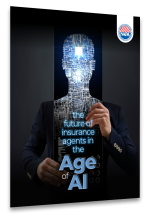
After centuries of cautious management, insurance faces a tech wave threatening the role of human agents. But will AI reshape the industry as expected? Find out in our free whitepaper.